On Extreme Ownership by Jocko Willink and Leif Babin
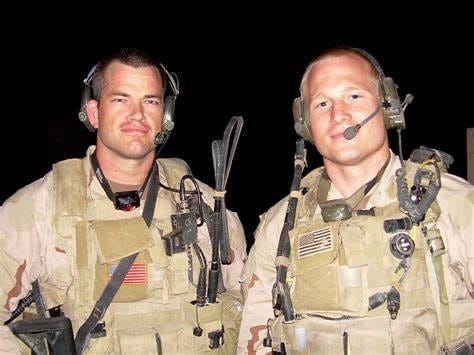
Extreme Ownership by and Jocko Willink is one of the non-fiction books I most frequently recommend and return to myself. The authors are Navy SEALs and founders of , a leadership consultancy. They’re also jacked out of their minds, and they speak and act like the action heroes they are. Echelon Front
But if military non-fiction isn’t your thing, don’t let that turn you off.
Extreme Ownership is primarily informed by their very real, first-person experiences in war, but the focus isn’t combat itself.
Although the book bursts with terminology like “decentralized command” and “prioritize and execute,” the lessons are as applicable (and useful) to situations as mundane as cleaning your home or working with new colleagues.
And despite the heavy emphasis on discipline and, of course, “extreme ownership”, the material is thoroughly approachable, intuitive, and easy to road-test yourself.
Like Dale Carnegie’s How to Win Friends and Influence People (1936), Extreme Ownership is the kind of book that actually lands as common sense. It may validate what you already know rather than teach you anything novel.
The value, then, is in the authors’ lived combat and training experience and the simple, sequential, and actionable framework they offer to respond to any professional or personal challenge you may face.
The book is structured as “principles of combat” and supported by stories from the US Navy SEALs and business, and then further explicated with breakdowns and applications. It’s a standardized and repeated framework.
One criticism I’ve heard is that the transitions are clunky, and I agree. The transitions between chapters are sharp and jarring as are the transitions between months on a calendar.
But it works. The concepts, language and examples are mechanical, simple, and functional.
As you might expect, the principles of combat organized and explored in the book are simple to understand but often hard to do.
If I had to highlight the single most impactful lesson I’ve taken from it, it would be the usefulness of a default aggressive mindset.
That doesn’t mean being aggressive with others. That doesn’t mean being confrontational. It means being aggressive in your personal discipline and actions against the goals you’ve set for yourself.
Waking up early is aggressive.
Doing more pushups today than you did yesterday is aggressive.
Writing a thousand words in an hour is aggressive.
Getting sober is aggressive.
Eating cleaner is aggressive.
Getting back at it (whatever it is) when you’ve fallen off the path is aggressive.
I’ve been a Jocko superfan for nearly a decade and I could write about a hundred other ways his books and podcast have helped me out, but for now, I’ll stop at the beginning: Extreme Ownership is the clearest, most engaging, and most actionable book about leadership (including and especially personal leadership) I’ve ever encountered.
If you’re military, non-military, or just a living human being who has something they want to “get after,” this will help.
(I’d also strongly recommend starting the podcast at episode one. Who knew stories of war and darkness would be so applicable to modern corporate life — or maybe you did. Either way, it’s more than good stuff. https://open.spotify.com/episode/2Q4kuHUotfRhP4TYpNg7jb?si=a192961eae264c25 )
Originally published at https://www.linkedin.com.